
A number of deaths have been reported among Venezuelan civilians and combatants on Saturday, thrusting the nation’s long-standing crises into a new and deadlier phase.
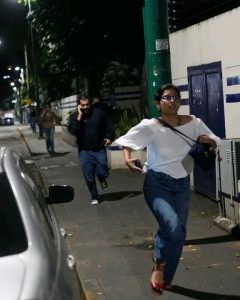
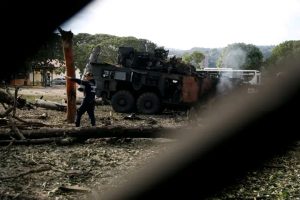
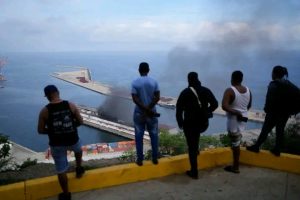
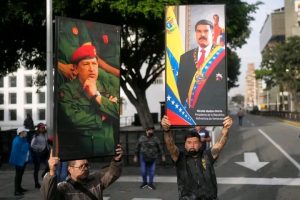
The latest developments were triggered by a large-scale U.S. military operation in Venezuela.
On Saturday, the United States launched airstrikes across Venezuelan territory, including in the capital Caracas, to capture President Nicolás Maduro and his wife, Cilia Flores, a mission that has polarised U.S. lawmakers with Democrats roundly condemning President Donald Trump’s action.
Although official figures remain unclear, the strikes reportedly inflicted undetermined numbers of deaths and injuries among Venezuelan civilians and military personnel.
The Venezuelan government had declared a state of emergency following the bombardment.
President Maduro’s government condemned the attack as an “imperialist aggression,” while international reactions ranged from support for removing a controversial leader to denunciations of the strikes as violations of international law.
In the months preceding the January offensive, U.S. military operations targeting alleged drug trafficking involving Venezuelan-linked vessels had resulted in further deaths.
A strike in the Caribbean region reportedly killed six people, contributing to a broader campaign of attacks on maritime vessels described by the U.S. as targeting narco-trafficking syndicates.
Another separate strike was reported to have killed three individuals, according to U.S. sources.
International discussions have been intensifying around whether these strikes comply with legal standards, with some U.S. commentators questioning the legality of killing survivors at sea.
These cumulative actions reflect a pattern of lethal engagements that have put Venezuelan lives at risk beyond the country’s borders.
These cumulative actions reflect a pattern of lethal engagements that have put Venezuelan lives at risk beyond the country’s borders.
Independent investigations by groups like Human Rights Watch document that during protests around the 2024 presidential election, at least 25 people were killed in clashes and crackdowns.
Venezuelan security forces and pro-government armed groups were implicated in several of these incidents.
While homicide rates in Venezuela have fluctuated, the country remains one of the region’s most violent: according to national data from 2023, there were 6,973 violent deaths reported — a figure that includes homicides, deaths in police interventions, and cases pending investigation. Observatorio de Violencia
Venezuela has also experienced extrajudicial killings at the hands of security forces and armed groups. Some human rights reports indicate thousands of Venezuelans may have been killed in the past decade through unlawful actions by state agents.
Activists and rights organisations continue to warn that state security organs are responsible for a significant share of lethal force used against civilians.
Be the first to comment